What Does RV Repair Warranty Cover?
Last Updated: November 19, 2026
Quick Summary
An rv repair warranty covers repairs caused by defects in materials or workmanship, split across three documents: the factory warranty on the coach, separate component warranties from parts makers, and an optional service contract. Wear and tear, accidents, neglect, and water intrusion from unmaintained seals are excluded.
A warranty responds to defects, not parts that wore out, were damaged in an accident, or were neglected.
Component warranties on the refrigerator, AC, water heater, and furnace often run longer than the coach warranty.
Service contracts commonly cover listed mechanical breakdowns, parts and labor, plus roadside assistance and trip interruption.
Document the failure with photos before disassembly and get repair authorization in writing before work begins.
Every installation at Basin RV carries a 90-day workmanship warranty.
Not sure if your repair is covered?
Basin RV explains coverage, quotes up-front pricing, and backs installations with a 90-day workmanship warranty.
Table of Contents
What an RV Repair Warranty Actually Covers
An RV repair warranty is a contract that pays for certain repairs caused by defects in materials or workmanship, and the answer to what does rv repair warranty cover depends entirely on which of three documents you are holding. Owners often arrive believing one warranty covers everything, then learn their roof leak sits outside all of them. The typical RV carries a factory warranty on the coach, separate warranties from component makers, and often an optional service contract. Each covers different parts, for different periods, under different conditions.
Here is the part most guides get wrong. A warranty is not insurance, and it is not a maintenance plan. It responds to a defect, meaning a part that failed because it was made or installed incorrectly. A part that wore out, was damaged in an accident, or was neglected falls outside coverage. That single distinction decides more claims than any other.
Below, we break down exactly what each type covers, what gets excluded, and how to file a claim that actually gets approved.
What Is Covered Under an RV Warranty: Parts, Systems, and Components
Coverage generally follows the systems that make the RV livable and drivable: appliances, electrical systems, plumbing systems, the roof structure, the chassis, and on motorhomes the engine and drivetrain. The key qualifier is that the failure must trace back to a defective part or faulty installation, not to age or use.

Factory coverage on a new RV typically protects the coach structure and systems for a set coverage period, while the chassis and powertrain on a motorhome usually carry their own longer terms from the chassis manufacturer.
A service contract, sometimes sold as a protection plan or extended warranty, picks up after factory coverage ends. These plans commonly cover mechanical breakdown of listed components, including parts and labor, and may add roadside assistance, trip interruption benefits, and substitute transportation. Read the covered components list line by line, because it is a closed list, not a general promise.
What Is Not Covered by an RV Warranty
Exclusions are where most disputes begin, and the fastest way to understand them is to run real repair scenarios through the policy language.
Covered versus excluded, by example. A refrigerator that stops cooling because its sealed cooling unit failed internally is typically a defect claim under a component warranty or a listed-component service contract.
Standard exclusions across all three warranty types. Wear and tear, cosmetic damage, pre-existing conditions, and anything caused by an accident, collision, or theft fall outside warranty coverage and belong to your RV insurance instead. Damage from water intrusion, seal failure, or delamination caused by neglected seal maintenance is routinely excluded. Tires, batteries, and other consumables are usually excluded or covered only on a prorated basis.
Modifications and causation. Add an aftermarket suspension kit or reroute wiring, and a manufacturer can attribute a related failure to your change. The provider does not have to prove the modification was the only cause; it typically only has to show the change could have contributed.
Neglect. Skip the roof inspection, and a resulting leak becomes your cost. The same logic applies to missed oil changes, generator service, and appliance cleaning. Providers commonly ask for service records when a failure could trace to skipped maintenance.
Watch out: the most expensive mistake we see is an owner assuming "structural coverage" means the whole structure. In practice it usually covers specific manufacturing defects only, not general wear or maintenance-related damage, and not damage from a leak that started at an unmaintained seal.
Factory, Component, and Extended Service Contracts Compared
The three warranty types differ in who backs them, how long they last, and who you call when something breaks. Here is how they line up.
Warranty Type | Who Backs It | Typical Coverage Period | What It Covers | Best For |
Factory warranty | RV manufacturer | Set term from purchase date | Coach structure, systems, workmanship defects | New RV buyers |
Component warranty | Parts manufacturers | Varies by component, often longer | Individual appliances and systems | Appliance failures |
Extended service contract | Third-party provider | Set term or mileage limit | Listed mechanical breakdowns, parts and labor | Used RV buyers, long-term owners |
Pros of manufacturer warranties: no middleman on claims, clear defect standards, and coverage tied directly to the build. Cons: shorter terms, strict maintenance conditions, and slow approval at some dealers.
Pros of extended service contracts: longer protection, transferable coverage in some cases, and added benefits like roadside assistance. Cons: deductibles per claim, a closed list of covered components, and a real chance the contract costs more than the repairs you use it for.
RV Warranty Maintenance Requirements That Keep Coverage Valid
Every warranty carries maintenance conditions, and failing them is the fastest way to a denied claim. Manufacturers and service contract providers typically require scheduled service performed at defined intervals, with service records kept as proof. Keep receipts, dates, and mileage in one folder, paper or digital.
Roof and seal inspections matter most. Because water intrusion claims hinge on whether you maintained the seals, a documented annual inspection protects you. Oil changes, generator service, and appliance cleaning fall in the same category. If you do your own maintenance, log it with dates and parts used.
Modifications deserve their own caution. Lift kits, solar additions, and electrical changes can void coverage on affected systems. Ask before you install, not after.
How RV Repair Costs and Deductibles Affect Your Out-of-Pocket Bill
Even a covered claim leaves you paying something. Most service contracts carry a deductible per visit, and some cap reimbursement or require you to use an approved repair facility. Repairs outside coverage land fully on you, which is why understanding shop labor rates matters before you authorize work.
Labor is usually the largest line on any estimate. Rates vary by region and by whether the shop sends a mobile unit or works in-house. For a sense of how shop rates are structured, see our breakdown of RV repair shop hourly rates. And before you approve a big estimate, compare it against what a fair maintenance estimate looks like so you can spot padded hours.
The math is simple: covered repair minus deductible equals your bill. An uncovered repair equals the full estimate. Get the coverage determination in writing before work starts.
How to File a Claim and Get Repair Authorization
Claims follow a predictable sequence, and skipping a step is the most common reason approvals stall. The practical goal is to get a coverage determination in writing before anyone turns a wrench.
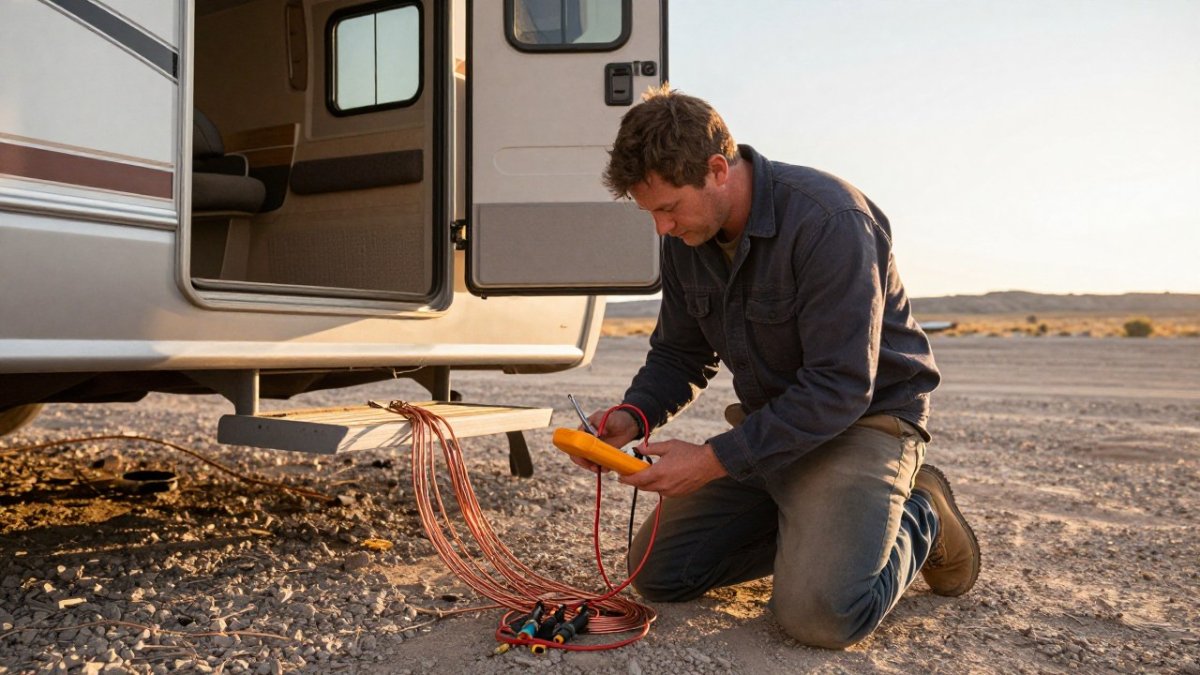
Document the failure before anything is touched. Take photos and video of the failed component, the surrounding area, and any error codes or warning lights. Write a short description of when the failure happened and what you observed. Providers weigh the cause of failure heavily, and evidence collected after disassembly is weaker.
Call the warranty provider or manufacturer before any repair begins. Use the claims number in your contract, not the dealer's general line. Have your contract number, VIN, and current mileage ready.
Obtain repair authorization and a claim number. Ask the representative to confirm in writing, by email or portal message, which component is authorized and what labor is approved. Verbal approval is hard to enforce later.
Confirm whether the shop must be an approved repair facility. Some service contracts require an in-network shop or pre-approval for mobile service; using an unapproved shop can reduce or void reimbursement.
Have the shop write the cause of failure precisely on the estimate and invoice. "Defective part" and "worn out" lead to different outcomes, so ask the technician to state the failure mode, not just the part replaced.
Keep the estimate, invoice, and proof of maintenance together. Submit the claim with all documentation attached, and keep copies of everything you send.
Pre-authorization mechanics. Most providers will not pay for work started without approval, and some require a second approval if the shop finds additional damage mid-repair. Ask the shop to call for a supplement before doing the extra work rather than after. If the provider denies the claim, request the denial in writing and ask which contract section applies; that record is what you need if you appeal.
Maintenance records as claim evidence. Providers commonly ask for service records when a failure could trace to skipped maintenance. Keep receipts, dates, and mileage in one folder, paper or digital, and log any do-it-yourself maintenance with dates and parts used.
Watch out: authorizing a repair before approval is the single most common reason a legitimate claim gets denied, and a shop that starts work "to save time" can leave you holding the full bill. To keep surprise charges off the final bill, review our guide on avoiding hidden RV repair fees.
Book a Repair With a Shop That Backs Its Work
Warranty coverage handles defects. Workmanship is a separate promise, and it is the one you can verify before you hand over the keys. A shop's own workmanship warranty covers the quality of its repair or installation, which is different from the manufacturer warranty on the part itself. If you want to understand how that distinction works, read what an RV workmanship warranty covers.
At Basin RV, every installation we perform carries a 90-day workmanship warranty. We are a family-run business serving the Permian Basin for seven years, we quote up-front pricing before work begins, and our mobile service means no towing for on-site repairs. When you are ready to schedule, book fast appliance repair with a team that stands behind the work.
Warranty paperwork rewards the owner who reads it before something breaks. Know your three documents, keep your service records, and get authorization in writing every time. When a repair falls outside coverage, Basin RV can help you sort out what is actually needed, with up-front pricing, mobile service that comes to your RV, and a 90-day workmanship warranty on our installations. Get started with Basin RV and keep your rig road-ready.
Frequently Asked Questions
Does an RV repair warranty cover parts and labor?
Most factory and extended RV warranties cover both parts and labor for approved repairs, but the split matters. Some service contracts pay a set labor rate per hour and cap total hours, so a shop charging above that rate leaves you covering the difference. Always confirm the labor rate and any deductible before authorizing work, and ask whether the repair needs pre-authorization so the claim is not denied after the fact.
What is not covered by an RV warranty?
Standard exclusions include wear and tear, seal and roof leaks caused by missed maintenance, delamination, collision damage, theft, and pre-existing conditions on used units. Modifications and neglect can also void a claim. Structural coverage is usually narrower than owners expect, covering specific manufacturing defects rather than general deterioration. Read the exclusions page before you buy, not after a breakdown.
Do I need regular maintenance to keep my RV warranty valid?
Yes. RV warranty maintenance requirements typically include documented seal inspections, roof care, and routine service at set intervals. Keep dated receipts and service records, because a claim for water intrusion is often denied when an owner cannot show the seals were maintained. Skipping seal checks can lead to costly repairs, so log every service visit and photograph the work.
How do I find out whether an RV repair is covered?
Start with the contract's covered components list and exclusions, then call the administrator for pre-authorization before any work begins. Give them the diagnosis, part numbers, and estimated labor. Get the approval in writing. If the shop finds a related failed component mid-repair, pause and request an amended authorization. A repair shop workmanship warranty is separate from the RV warranty and covers the quality of the repair itself.
Comments