
What Does an RV Workmanship Warranty Cover?
Table of Contents
What an RV Workmanship Warranty Covers (and What It Doesn't)
Workmanship Defect vs. Wear, Maintenance, and Damage
Coverage Examples by RV System
RV Repair Warranty Coverage: What Qualifies for a Claim
Mechanical and Electrical Components
Plumbing, Water Leaks, and Structural Repairs
RV Workmanship Warranty Length: How Long Coverage Lasts
Factory vs. Extended vs. Shop Workmanship Warranties
RV Repair Warranty Exclusions: What Is Not Covered
How to Verify Coverage in Your Warranty Document
The RV Warranty Claim Process: Steps and Evidence Checklist
The Evidence Checklist
The Claim Steps
What to Do When a Repair Fails or a Claim Is Denied
Frequently Asked Questions
Last Updated: October 16, 2026
What an RV Workmanship Warranty Covers (and What It Doesn't)
An RV workmanship warranty covers defects in how a repair or installation was performed, not the parts themselves and not damage from normal use.
That distinction decides nearly every claim dispute we see at Basin RV. Owners often assume any failure after a repair is the shop's problem. Shops often assume any failure after 30 days is the owner's problem.
An RV workmanship warranty is a written guarantee that a repair shop or installer will fix defects caused by faulty labor or installation within a set period, typically at no charge. It is separate from any manufacturer warranty on the parts used.
Workmanship Defect vs. Wear, Maintenance, and Damage
A workmanship defect means the repair itself was done wrong. Examples include a roof seal applied unevenly, wiring left unsecured, or a fitting tightened past its limit. These show up fast, often on the first trip after the repair.
Wear, maintenance, and damage are different categories entirely:
Wear and tear: brake pads thinning, seals drying out over years of sun exposure
Maintenance failures: a roof never resealed, a water filter never changed
Damage: a tree strike, a curb hit, a backing error
Most claim denials come down to one question: did the repair fail, or did something else cause the failure? Get that answer wrong and you will argue about it for weeks.
Watch Out The most common mistake owners make is waiting months to report a problem after a repair. Many workmanship warranties require prompt notice, and a delay gives the shop a reason to deny the claim even when the defect is real. Report anything suspicious within days, not seasons.
Coverage Examples by RV System
Coverage varies by shop, but here is how workmanship claims typically break down by system:
RV System | Typical Workmanship Claim | Usually Not Covered |
Roof and seals | Sealant applied incorrectly, bubbling after install | Punctures, tree damage, age |
Plumbing | Fitting installed wrong, joint leaks at the connection | Freeze damage, worn pipes |
Electrical | Loose connection from install, miswired outlet | Corrosion, rodent damage |
HVAC | Unit mounted wrong, ductwork sealed poorly | Refrigerant loss from age |
Appliances | Installed incorrectly, wrong clearances | Normal part failure |
Structure | Panels or framing refastened improperly | Accident damage, water rot |
This table is the fastest way to sort a real claim from a lost cause. If the failure traces back to how the work was done, you have a case. If it traces to time, weather, or contact, you probably don't.
RV Repair Warranty Coverage: What Qualifies for a Claim
RV repair warranty coverage applies when a failure traces directly to the shop's labor or installation, within the stated coverage period. Three test questions decide almost every claim:
Did the failure happen after the repair?
Does the failure trace to the work performed?
Did you report it inside the coverage window?
If all three answers are yes, you have a strong claim. If any answer is no, expect pushback.
Mechanical and Electrical Components
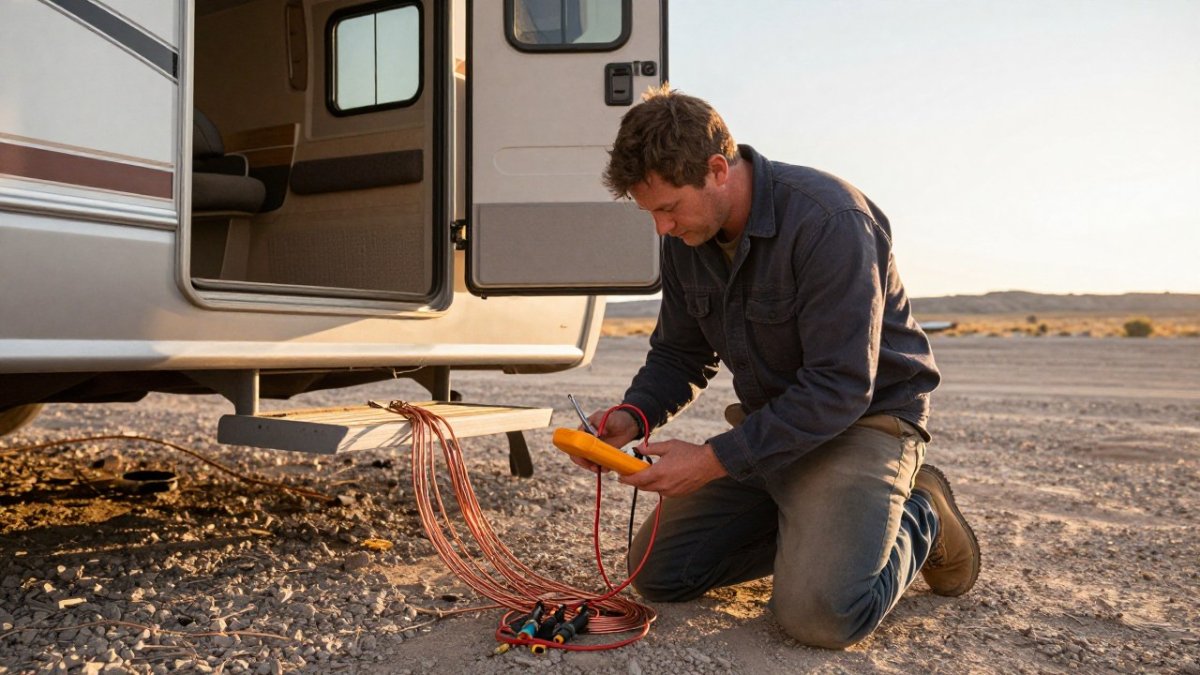
Mechanical and electrical claims are the most common workmanship disputes. A water pump that fails two weeks after installation points to a wiring or mounting error. An outlet that trips a breaker after a panel repair points to a loose connection.
What most guides miss is that the part itself and the labor are two separate warranties. The pump may carry a manufacturer warranty of its own. The installation carries the shop's workmanship warranty.
Plumbing, Water Leaks, and Structural Repairs
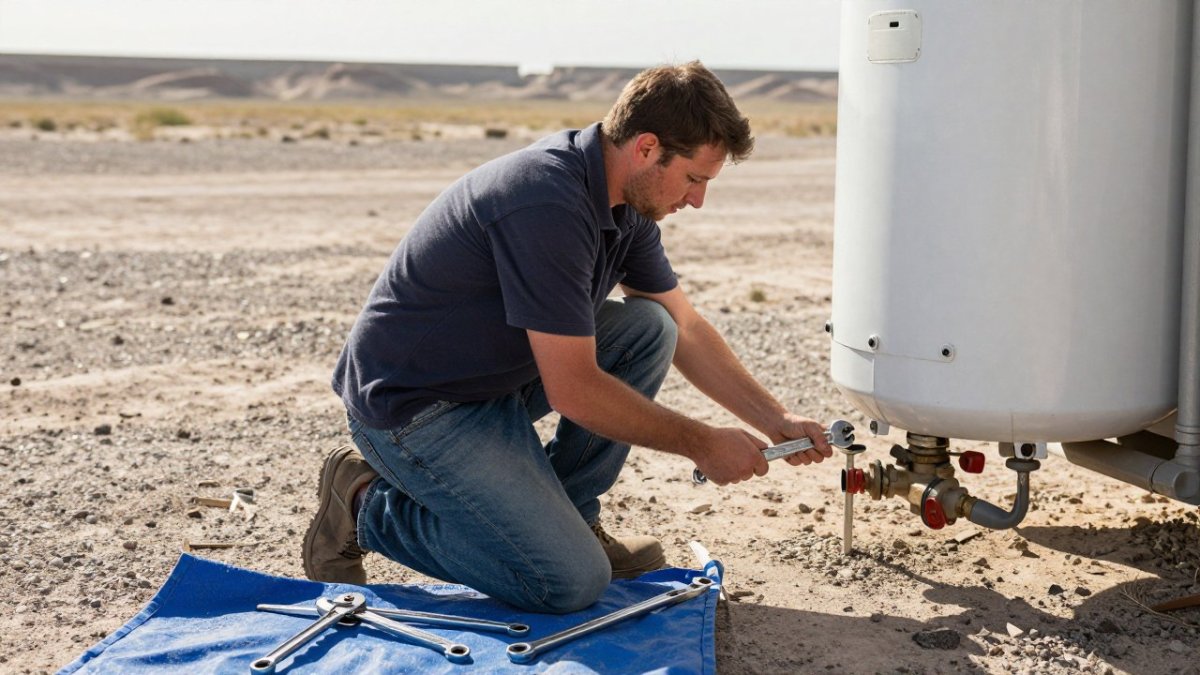
Plumbing leaks and structural repairs are where workmanship warranties earn their keep. Water damage is expensive and it spreads. A joint that leaks because it was installed wrong can soak insulation and floor decking before you notice.
Structural work carries higher stakes still. If a panel or section of framing was refastened poorly, the failure may not appear for months.
RV Workmanship Warranty Length: How Long Coverage Lasts
RV workmanship warranty length usually runs 30 to 90 days from the date of service, though some shops offer longer terms on structural work. Basin RV backs installations with a 90-day workmanship warranty.
Three factors set the length:
The shop's own policy. This is the number that matters most.
The type of work. Structural repairs often get longer terms than quick fixes.
Your location. Consumer protection rules vary by state, so a shop's obligations can differ from one state to the next.
Read the term in the actual document. A verbal "we stand behind our work" is not a coverage period.
Factory vs. Extended vs. Shop Workmanship Warranties
These three warranties cover different things, and mixing them up is a common source of denied claims.
A factory warranty comes from the RV manufacturer and covers defects in materials and build quality on a new unit.
An extended warranty is a service contract you buy, usually through a dealer or third party.
A shop workmanship warranty comes from the business that did the work.
The takeaway: a factory or extended warranty will not pay for a bad repair.
RV Repair Warranty Exclusions: What Is Not Covered
RV repair warranty exclusions almost always remove the same categories: wear and tear, cosmetic damage, accident damage, neglect, and unauthorized repairs. Those five cover the majority of denials.
Here is what typically falls outside a workmanship warranty:
Wear and tear: parts that simply age out
Cosmetic damage: dings, scratches, and tears that do not affect function
Accidental damage: collisions, tree strikes, backing errors
Some policies also exclude damage from off-road use, full-time permanent residence, or commercial use. If you live in your RV year-round, read that clause carefully. It can void coverage on an otherwise valid claim.
Pro Tip Before you authorize any repair, ask one question: "What voids this warranty?" The answer tells you more about your real coverage than the coverage list does. Common triggers include DIY fixes on the same system, missed inspection intervals, and repairs done by another shop.
How to Verify Coverage in Your Warranty Document
To verify coverage, find four things in the document: the coverage period, the covered systems, the exclusions, and the claim requirements.
Work through the document in this order:
Find the term. Look for a start date and a number of days.
List the covered items. Note whether it covers labor only, or parts too.
Read the exclusions. Highlight anything about wear, cosmetics, or neglect.
Check the claim rules. Look for notice deadlines and required paperwork.
Confirm who honors it. Is it the shop, or a third party?
The Federal Trade Commission's guidance on warranty law and consumer rights explains how written warranties must be labeled and what they must disclose, which helps you spot a document that is missing required terms.
A limited warranty, which is what most shops issue, can restrict coverage to specific systems or conditions. That is legal, as long as the limits are stated clearly.
The RV Warranty Claim Process: Steps and Evidence Checklist
The RV warranty claim process moves fastest when you bring evidence, not just a complaint. Report the issue in writing, include photos and your repair receipt, and state plainly why you believe the failure traces to the work.

The Evidence Checklist
Before you contact the shop, assemble this packet. Shops approve claims faster when the file is complete, and an incomplete file is the easiest reason to deny.
Photos: wide shot of the system, close-up of the failure point, and a shot that shows the date stamp or a newspaper in frame
Video: a 10-20 second clip showing the failure in motion (a drip, a spark, a sag)
Repair invoice: the original document, not a photo of a photo
Keep a copy. Never hand over your only original.
The Claim Steps
Stop using the affected system. Further damage can void the claim.
Document everything. Photograph the failure from several angles.
Find your paperwork. The repair invoice and warranty document both matter.
Report in writing. Email or text creates a dated record.
State the cause. Explain why this looks like a workmanship issue, and point to the connection point.
Request a fix in writing. Ask for a repair date or an inspection, and give a reasonable deadline.
Keep a log. Note every call, message, and response, with the date and the name of who you spoke to.
The National Highway Traffic Safety Administration's information on RV safety and recalls is worth checking if the failure involves a safety-related component, since some defects trigger manufacturer recalls rather than shop claims.
What to Do When a Repair Fails or a Claim Is Denied
If a repair fails and the shop denies the claim, ask for the denial in writing with the specific exclusion cited. That single request changes the conversation.
From there, you have options, and they work best in this order:
Request a second inspection from an independent technician, and ask for the findings in writing.
Escalate in writing to the shop owner with your evidence log and a clear ask: repair, refund, or written denial.
File a complaint with your state's consumer protection office.
Check your state's rules on repair warranties and implied warranties, including any implied warranty of merchantability that may apply regardless of what the written document says.
Consider small claims court if the amount is within your state's limit and the paper trail is strong.
Many states treat workmanship claims under general consumer protection law rather than a specific RV statute, so the USA.gov directory for filing consumer complaints is a useful starting point for finding the right office.
The RV Industry Association's owner resources on maintenance and service also publishes guidance on service standards that can support your case when a shop disputes what "proper workmanship" means.
Watch Out Do not accept a verbal denial. A verbal denial leaves no record, and it is the most common way owners lose a valid claim. Ask for it in writing, every time.
Our advice after years of handling these disputes: put everything in writing, keep your receipts, and never let a shop talk you out of a written denial. Paper wins claims.
Frequently Asked Questions
What does an RV workmanship warranty cover?
An RV workmanship warranty covers defects caused by how a repair or installation was performed, not the parts themselves. If a technician installs a roof vent incorrectly and it leaks within the coverage period, that repair is covered. Common covered items include improper sealing, faulty wiring connections, incorrect plumbing fittings, and structural repairs that fail due to poor installation. It does not cover the original part if it was defective from the supplier, nor does it cover damage from accidents, wear and tear, or lack of maintenance.
How long does an RV workmanship warranty usually last?
Workmanship warranty length varies by shop and manufacturer. Many independent repair shops offer 30 to 90 days on labor and installation. Some manufacturers provide 12-month or longer workmanship warranties on new RVs, though these are separate from repair warranties. Basin RV backs installations with a 90-day workmanship warranty. Always confirm the exact coverage period in writing before authorizing any repair, because the term starts from the date of service, not the date you first notice a problem.
What is typically excluded from an RV repair warranty?
Standard exclusions include cosmetic damage such as dings, scratches, and tears; wear and tear on moving parts; damage from accidents, road hazards, or weather events; and failures caused by skipped maintenance. Damage from using the RV as a permanent residence rather than for recreational use may also be excluded. If you attempt a DIY fix on a covered repair, the warranty on that repair is usually voided. Read the exclusions section of your warranty document before signing.
What should I do if an RV repair fails while it is under warranty?
Contact the shop that performed the repair as soon as you notice the failure. Provide your original invoice, the date of service, and photos or video of the problem. Do not attempt to fix it yourself, as that can void the warranty. If the shop is far away, ask whether they authorize a local provider to inspect and document the issue. Keep all written communication. If the claim is denied, request the denial reason in writing and escalate to the manufacturer or a consumer protection agency if needed.
A failed repair is stressful enough without also fighting over who pays for it. Basin RV backs every installation with a 90-day workmanship warranty, so you know exactly what we stand behind and for how long. Our team offers up-front pricing, mobile service that comes to your RV, and 24/7 emergency support when something breaks on the road. Book services with Basin RV and get your rig road-ready with a shop that puts its warranty in writing.
Book Services
Comments