Professional RV Structural Repair Shop: What to Expect
Table of Contents
What a Professional RV Structural Repair Shop Actually Fixes
Delamination, Frame Bends, and Water Damage
RV Frame Inspection: Catching Damage Before It Spreads
RV Structural Damage Repair: What the Process Looks Like
Getting an RV Repair Estimate You Can Trust
Questions to Ask Before You Authorize Structural Work
Mobile vs. Shop-Based Structural Repair: Which Fits Your Situation
Conclusion
Frequently Asked Questions
Last Updated: October 19, 2026
What a Professional RV Structural Repair Shop Actually Fixes
Structural damage is the one RV problem that never fixes itself. A professional RV structural repair shop deals with the skeleton of your rig: the frame, the sidewalls, the roof structure, and the floor decking that everything else bolts onto. At Basin RV, we've spent seven years handling these jobs across the Permian Basin, and we can tell you the work is rarely cosmetic. Ignore a soft spot in the floor and you'll eventually be replacing cabinets, insulation, and wiring along with it.
Structural repair is the process of restoring an RV's load-bearing frame, walls, roof, or floor to a safe, roadworthy condition after damage from impact, water intrusion, or simple age. It differs from routine maintenance because it involves opening up the coach, repairing or replacing structural members, and sealing it back together correctly.
Most jobs we see fall into a few recognizable categories. Knowing which one you're facing helps you ask better questions before you authorize anything.
Delamination, Frame Bends, and Water Damage
Delamination is the separation of an RV's exterior fiberglass skin from the substrate behind it. It shows up as bubbles, soft spots, or a dull thud when you tap the sidewall. Once moisture gets behind the skin, the bond breaks down and the damage spreads outward from the entry point. Catching it early can mean a targeted repair; catching it late can mean a full wall rebuild.
Frame bends come from impacts, hard potholes, or overloaded rigs. A bent frame throws off alignment, stresses the body mounts, and can crack welds you can't see from the outside. Water damage is the slowest and most expensive of the three. It rots floor decking, corrodes fasteners, and feeds mold inside wall cavities. By the time a soft floor is obvious underfoot, the rot has usually been working for months.
RV Frame Inspection: Catching Damage Before It Spreads
An RV frame inspection is a systematic check of the chassis, body mounts, welds, and attachment points for cracks, bends, corrosion, and loose hardware. It's the single most useful diagnostic step you can take, because frame problems compound: a small crack flexes under load, widens, and eventually compromises the whole coach.
Here's how we approach an inspection, and what you should expect from any shop doing one:
Visual walk-around with the coach supported. Look for sagging, uneven gaps between body panels, and rust streaks at weld points.
Tapping and probing the sidewalls and floor. A sharp tap should sound solid. A dull thud means separation or rot underneath.
Checking body mounts and fasteners. Loose or elongated mounting holes signal flex that shouldn't be there.
Measuring frame squareness. A frame that's out of square pulls the coach out of alignment and wears tires unevenly.
Moisture readings inside wall and ceiling cavities. This catches water intrusion before it becomes visible.
Pro Tip Ask the shop to photograph what they find before they quote the repair. A frame crack or delaminated section is easy to document, and photos protect both sides: you see exactly what's being fixed, and the shop has a record of the condition at drop-off.
If the inspection turns up nothing, you've bought peace of mind. If it turns up something small, you've bought the chance to fix it before it becomes a wall rebuild.
RV Structural Damage Repair: What the Process Looks Like
RV structural damage repair follows a predictable sequence: diagnose, open up, repair the structure, seal it, and finish it. The steps don't change much between jobs, but the scope does, and that's where estimates diverge.

Step 1: Diagnosis and documentation. The shop maps the damage, photographs it, and determines what's structural versus cosmetic. This is where a good shop tells you what they found before they tell you what it costs.
Step 2: Opening the coach. Panels, trim, and interior fixtures come off to expose the damaged structure. This is the part that surprises owners, because the visible damage is often a fraction of what's underneath.
Step 3: Structural repair. Rotted wood gets cut out and replaced. Cracked welds get ground and re-welded. Bent frame sections get straightened or reinforced. Delaminated sections get re-bonded or rebuilt.
Step 4: Sealing and reassembly. New sealant, new trim, and careful reassembly. This step decides whether the repair lasts, because a poor seal means water gets back in and the whole cycle restarts.
Step 5: Verification. Taps, moisture checks, and a road test to confirm the structure is sound and the coach tracks straight.
Watch Out The most common mistake we see is a shop that seals over water damage without cutting out the rot. It looks fixed for a season, then the soft spot returns and the repair costs more the second time. Insist that damaged material is removed, not covered.
Getting an RV Repair Estimate You Can Trust
A trustworthy RV repair estimate is itemized, written, and separates diagnosis from repair. It should list what's being fixed, what materials are involved, and what the shop will do if they open the coach and find more damage than expected. Verbal estimates are not estimates; they're guesses with no accountability.
Ask for these things before you sign anything:
What to Ask For | Why It Matters |
Written, itemized estimate | Shows labor and parts separately, so you can compare |
Diagnostic fee disclosed up front | Prevents surprise charges on the final bill |
Contingency clause for hidden damage | Sets the rule for added cost before work starts |
Warranty terms in writing | Defines what's covered and for how long |
Photo documentation of findings | Lets you verify the damage is real |
At Basin RV, we quote up front and put it in writing, because the biggest complaint we hear from RVers is surprise charges after the fact. Our work is backed by a 90-day workmanship warranty, and we spell out what that covers before you authorize anything.
Questions to Ask Before You Authorize Structural Work
Before you hand over the keys, ask the shop how they'll handle the unknowns. Structural work always has unknowns, and the answers tell you whether you're dealing with a professional operation or a shop that will improvise on your dime.
"What's your timeline, and what could extend it?" A shop that can't give you a realistic window is a shop that hasn't thought about parts availability or workload.
"Do you handle warranty work, and how long does it take?" Full-timers especially need to know whether warranty jobs will leave them stranded for weeks.
"What happens if you find more damage once you're inside?" The answer should be a call to you with photos and a revised estimate, not a bigger bill at pickup.
"Is the work guaranteed, and what does the guarantee cover?" Get the warranty terms in writing before work begins.
"Can I get technical advice on the parts I source myself?" If you're a DIY owner, ask whether the shop will consult on your repair rather than push a full service call.
Key Takeaway The right shop answers these questions without flinching. If a shop gets defensive about timelines, warranty terms, or hidden-damage contingencies, that's your answer.
Mobile vs. Shop-Based Structural Repair: Which Fits Your Situation
Mobile repair handles what can be fixed on-site; shop-based repair handles what needs a controlled environment, lifts, and fabrication. Structural work usually falls in the second category, but not always. A loose body mount or a minor frame fastener issue can often be handled where you're parked. A delaminated wall or a bent frame needs the shop.
Here's the practical split:
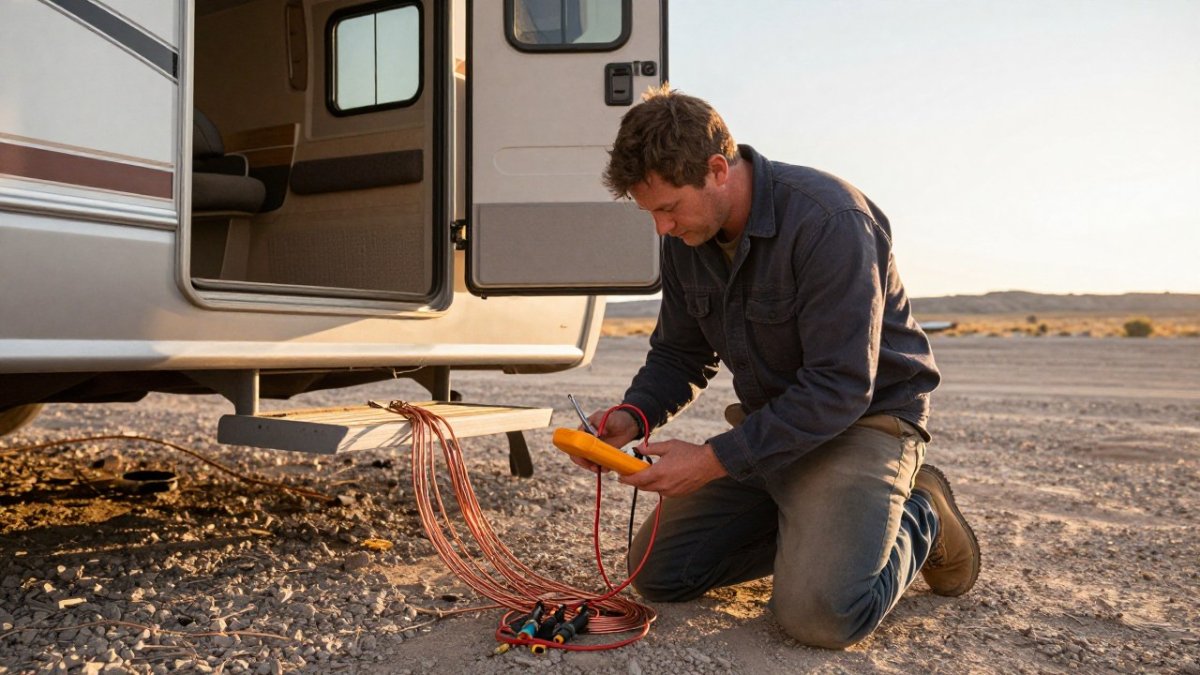
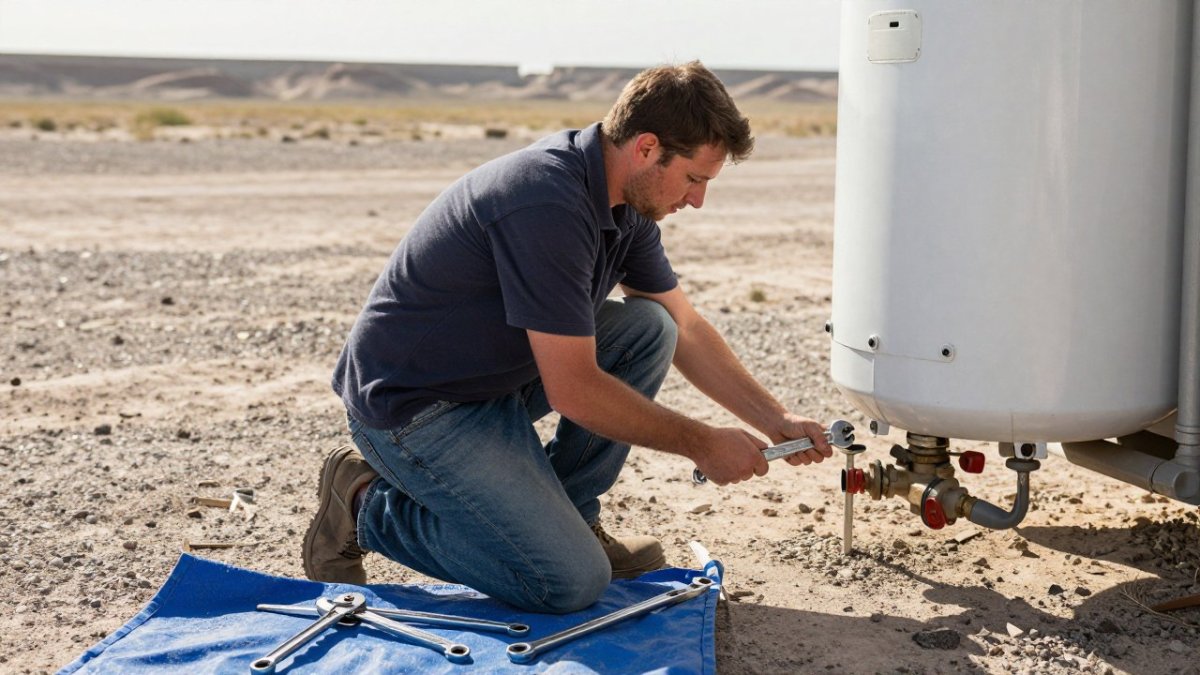
Mobile is the right call for on-site diagnostics, appliance and electrical issues, minor fastener and trim problems, and pre-trip checks. No towing, no downtime at a shop.
Shop-based is the right call for delamination repair, frame straightening, floor replacement, and any job that requires cutting, welding, or bonding in a controlled space.
Emergency situations often start mobile. We run 24/7 emergency support, so a technician can assess the damage where you are and tell you whether it can be fixed on-site or needs to come in.
If you're passing through the Permian Basin and something structural lets go, call first. A quick assessment on-site saves you a tow you may not need.
Conclusion
Structural damage rewards the owner who acts early and punishes the one who waits. The inspection is cheap, the repair is manageable, and the rebuild is the expensive outcome nobody wants. Ask for written estimates, photo documentation, and clear warranty terms, and walk away from any shop that won't provide them.
Basin RV offers mobile and shop-based structural repair across the Permian Basin, with up-front pricing, 24/7 emergency support, and a 90-day workmanship warranty on our work. We're family-run, insured and bonded, and we'll tell you honestly whether your job needs the shop or can be handled where you're parked. Book a service with Basin RV and get your rig inspected before a small problem becomes a rebuild.
Frequently Asked Questions
How do I know if my RV has structural damage?
Watch for soft spots in the floor, bubbling or separating sidewalls, doors that suddenly stick, visible frame cracks, and water stains near seams. A professional RV frame inspection catches these early, often before they show up inside the living space. If you notice any of these signs, get the RV looked at before your next trip, since small issues tend to grow quickly once water or road stress gets involved.
Can I drive an RV with structural damage?
It depends on the severity. A small cosmetic crack may be safe to drive to a shop, but frame damage, sagging, or a compromised sidewall can make the RV unsafe at highway speed. If you notice handling changes, unusual tire wear, or a visibly bent frame, call for mobile assistance rather than driving it. A professional RV structural repair shop can advise whether it's safe to move.
What should I ask before authorizing structural work?
Ask for a written RV repair estimate that itemizes parts and labor, ask whether the shop handles warranty claims directly, and confirm what the workmanship warranty covers after you leave. Also ask how long the repair will take and whether the shop works with insurance. Getting these answers upfront prevents surprise charges and long delays, especially for full-time RVers who can't be without their rig for weeks.
How long does RV structural damage repair take?
Timelines vary with the extent of damage and parts availability. Minor repairs may take a few days, while frame or sidewall work can stretch longer if panels need ordering. Ask the shop for a realistic estimate before work starts and confirm whether they can source parts quickly. A shop that stocks common structural components can often shave days off the process compared to one that orders everything as needed.
Book Services
Comments